


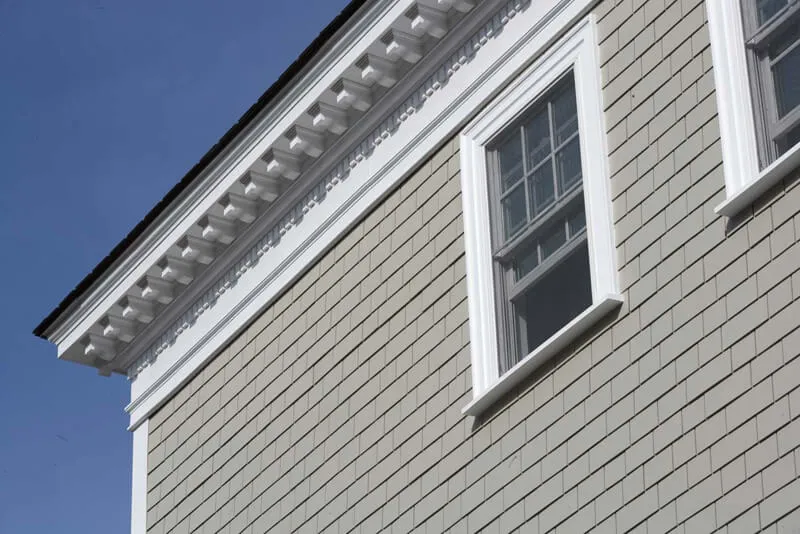
Modern architecture often brings to mind clean lines, minimalism, and a focus on function. Yet, decorative details still play a vital role in adding character and sophistication to a space. Polyurethane mouldings are an excellent example of how traditional elegance can be integrated into contemporary design, offering both aesthetic appeal and practical advantages. In Thailand, where architecture beautifully blends modern trends with rich cultural heritage, these mouldings provide a versatile solution for interior enhancement.
The use of decorative elements in Thai design is not new. From ornate temple carvings to detailed patterns in traditional homes, artistry is deeply woven into the nation’s architectural fabric. Polyurethane mouldings continue this tradition in a modern context. They allow designers and homeowners to introduce intricate details without the weight or expense of traditional materials like wood or plaster. A simple application of polyurethane ceiling moulding (called บัวฝ้าโพลียูรีเทน in Thai) can transform a plain ceiling into a statement feature, adding depth and a sense of luxury to a room. This material is particularly suited to the Thai climate.
Unlike wood, polyurethane is resistant to moisture, humidity, and insects—common concerns in a tropical environment. This durability ensures that the mouldings retain their shape and finish over time, without warping, cracking, or rotting. This makes them a practical choice for homes, hotels, and commercial buildings across Thailand. The installation process is also straightforward. Being lightweight, polyurethane is easy to handle and fix, reducing labour time and costs compared to heavier plaster or wood alternatives.
The versatility of polyurethane mouldings extends to their design possibilities. They come in a vast range of styles, from simple, understated profiles that complement minimalist interiors to elaborate, classic designs that evoke a sense of grandeur. They can be used as cornices, chair rails, wall panels, and door surrounds. This adaptability allows architects and interior designers in Thailand to create unique spaces that reflect both modern sensibilities and a touch of timeless charm.
Furthermore, these mouldings are a sustainable option. Many are made from high-density materials that are built to last, reducing the need for frequent replacement. They also provide an excellent surface for painting, allowing for complete customisation to match any colour scheme. You can paint them to blend seamlessly with the wall or use a contrasting colour to make them a standout feature. This flexibility empowers creative expression in interior design.
In conclusion, polyurethane mouldings offer a compelling combination of beauty, durability, and practicality for modern Thai architecture. They provide a way to honour the decorative traditions of the past while meeting the demands of contemporary living. By incorporating these elements, a simple space can be elevated into something truly special, proving that detail and decoration have a firm place in modern design.
Comments are closed.