


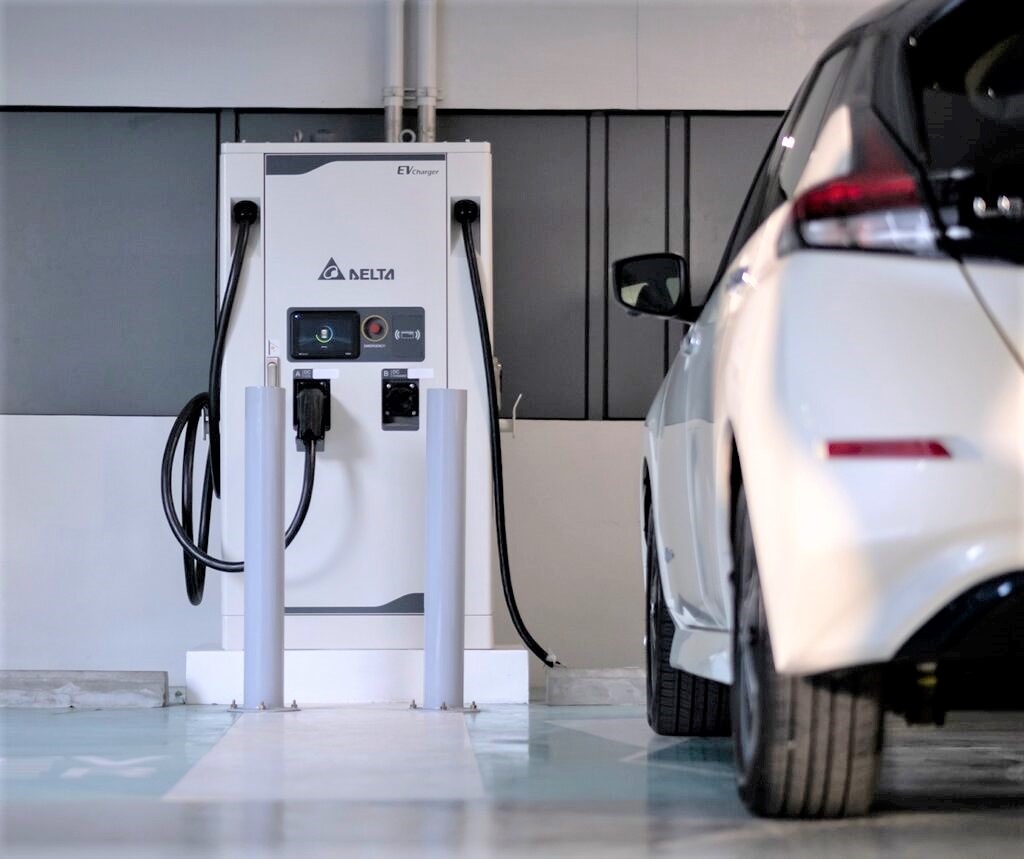
Thailand stands at the forefront of Southeast Asia’s electric vehicle revolution. As the nation accelerates towards sustainable transportation, the infrastructure supporting this transformation has become increasingly vital. High-powered DC chargers represent the backbone of this electric mobility ecosystem, offering rapid charging solutions that address range anxiety and support widespread EV adoption.
The Thai government’s ambitious plans to become a regional electric vehicle hub have spurred significant investment in charging infrastructure. Fast charger manufacturing capabilities within the region are expanding rapidly, creating opportunities for local production and reducing dependency on imported equipment. This strategic approach positions Thailand as both a consumer and producer in the global EV charging market.
DC chargers deliver direct current electricity to electric vehicle batteries, bypassing the vehicle’s onboard converter and enabling much faster charging speeds compared to traditional AC chargers. For Thai consumers, this technology transforms the EV ownership experience by reducing charging times from hours to minutes.
Benefits for Thai EV Adoption
Thailand’s tropical climate presents unique challenges for electric vehicles, making efficient charging solutions essential. High-powered DC chargers address these concerns by minimising the time vehicles spend connected to charging stations, reducing heat exposure and improving battery longevity. The rapid charging capability supports longer intercity travel across Thailand’s extensive highway network.
The economic advantages extend beyond individual users. Thailand’s tourism industry benefits significantly from reliable fast-charging infrastructure, enabling electric rental vehicles and tour operators to maintain flexible schedules whilst reducing operational costs. Hotels and shopping centres installing DC chargers attract environmentally conscious visitors and extend customer dwell times.
Infrastructure Development Challenges
Rolling out DC charging networks across Thailand requires substantial electrical grid improvements. High-powered chargers demand significant electricity capacity, necessitating upgrades to local distribution systems. Rural areas particularly face infrastructure gaps that could limit EV adoption outside major urban centres.
Cost considerations remain substantial. DC chargers require higher upfront investment compared to slower charging alternatives, though operational efficiency and user convenience justify the expenditure for many locations. Strategic placement along major routes connecting Bangkok, Chiang Mai, and Phuket creates charging corridors that support nationwide electric mobility.
Future Prospects
Thailand’s commitment to carbon neutrality by 2065 drives continued investment in electric vehicle infrastructure. Advanced DC charging technology, including ultra-fast 350kW systems, will soon arrive in Thai markets, reducing charging times to under 15 minutes for compatible vehicles.
Smart grid integration represents the next evolutionary step, enabling DC chargers to communicate with electricity providers and optimise charging schedules based on grid demand and renewable energy availability. This technology will help Thailand maximise its growing solar and wind power capacity whilst supporting electric transportation needs.
The convergence of government policy, private investment, and technological advancement positions Thailand as a leader in electric mobility across Southeast Asia. High-powered DC chargers serve as the foundation for this transformation, enabling convenient, reliable electric transportation that supports both local communities and visiting tourists throughout the kingdom.
Comments are closed.