


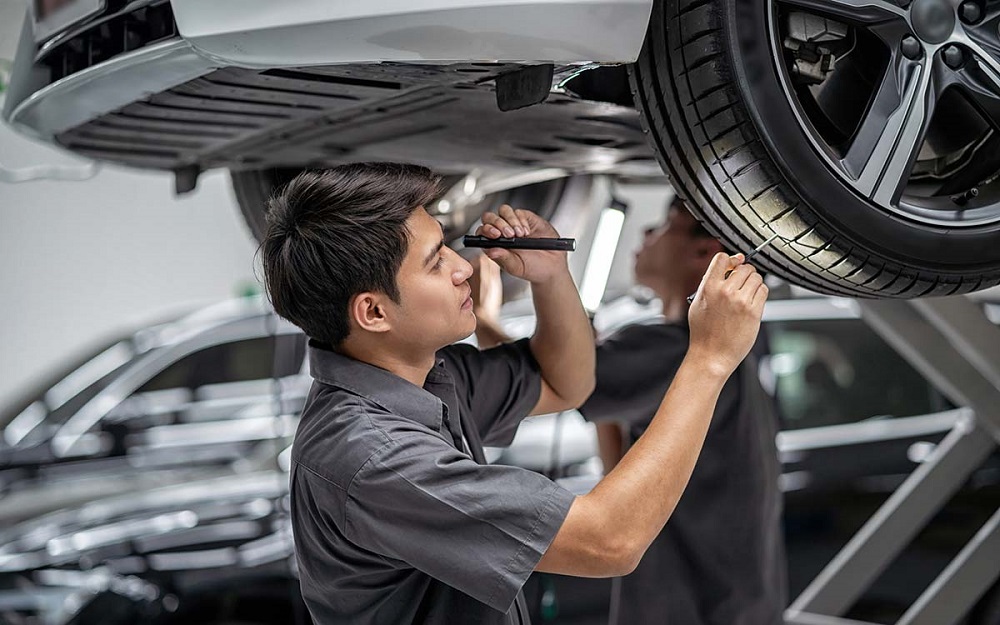
For most people, a vehicle is an indispensable asset that provides mobility, freedom, and economic opportunity. It carries children to school, facilitates daily commutes to work, and enables long-distance travel. Yet, despite the heavy reliance on automobiles, many drivers treat vehicle maintenance as a reactive chore rather than a proactive responsibility. It is common to wait until a dashboard warning light flashes, a strange noise echoes from under the hood, or a critical component completely fails before scheduling a trip to the repair shop.
This reactive mindset introduces significant financial, environmental, and safety risks. Operating a vehicle means managing a complex assembly of mechanical systems, electronic modules, and high-speed moving parts that naturally degrade over time due to friction, heat, and physical stress. Routine, comprehensive vehicle inspections are the fundamental mechanism that prevents minor wear and tear from escalating into catastrophic, hazardous mechanical breakdowns. Understanding the vital importance of regular vehicle assessments is the first step toward responsible car ownership and long-term driving safety.
Preventing Catastrophic Mechanical Failures
The primary argument for scheduling consistent vehicle inspections centers on the concept of early detection. A motor vehicle does not operate in a vacuum; the failure of a single minor component can rapidly trigger a chain reaction that damages much larger, more expensive assemblies.
Consider the vehicle’s braking system. Brake pads are intentionally manufactured as sacrificial friction components, designed to wear down gradually over months of use. When a vehicle undergoes a professional inspection, a certified mechanic measures the remaining thickness of these pads.
If the inspection is neglected, the friction material can wear away entirely. This leads to a metal-on-metal situation where the bare iron backing of the brake pad grinds directly against the polished steel brake rotor. What could have been a routine, low-cost replacement of standard brake pads instantly transforms into a massive, expensive repair job requiring new rotors, calipers, and potentially entire hub assemblies, not to mention the immediate loss of stopping capability on the highway.
The same principle applies to fluid levels and engine belts. A slow, unnoticed oil leak or a fraying serpentine belt can go undetected for months by a casual driver. A trained technician performing a multi-point inspection will immediately identify these vulnerabilities, replacing a twenty-dollar belt or a failing gasket long before it snaps on the highway, causing sudden engine overheating and irreparable internal engine destruction.
Maximizing Public Safety and Reducing Accident Rates
While saving money on repairs is an excellent personal benefit, the most critical purpose of a vehicle inspection is preserving human life. When a driver enters a public roadway, they assume a collective responsibility for the safety of everyone around them, including passengers, fellow motorists, cyclists, and pedestrians. A poorly maintained vehicle is a latent safety hazard capable of causing severe accidents.
Several critical safety vectors are thoroughly evaluated during a standard vehicle safety inspection:
-
Tire Integrity and Tread Depth: Tires are the single point of contact between a multi-ton vehicle and the pavement. Inspections verify that tread depth is sufficient to channel water away from the tire footprint, preventing hydroplaning in wet weather. Technicians also check for uneven wear patterns, dry rot, and sidewall bulges that could cause a sudden, high-speed blowout on the freeway.
-
Steering and Suspension Components: Tie rods, ball joints, control arms, and shock absorbers dictate how well a vehicle responds to sudden driver inputs. Worn suspension components compromise steering precision, lengthen overall braking distances, and drastically reduce vehicle stability during emergency evasive maneuvers.
-
Lighting and Visibility Systems: Inspections ensure that headlights, high beams, turn signals, brake lights, and windshield wiper assemblies function perfectly. These systems are vital for a driver’s ability to see the road clearly during inclement weather or nighttime conditions, and they are equally important for communicating intentions to other drivers on the road.
By mandate or personal discipline, ensuring these systems are structurally sound significantly lowers the statistical probability of a collision caused by unexpected mechanical failure.
Extending the Operational Lifespan of the Asset
A modern automobile represents a significant financial investment, second only to residential property for the average household. Maximizing the return on this investment requires maximizing the vehicle’s operational lifespan, allowing the owner to drive it for as many years and miles as possible without experiencing a steep decline in reliability.
Regular multi-point inspections provide an ongoing, chronological health record of the vehicle. This consistent tracking allows drivers to map out upcoming maintenance tasks and budget for them in advance, rather than being blindsided by multiple failures simultaneously.
Furthermore, a vehicle that boasts a documented history of routine professional inspections and preventative care holds substantially more value on the secondary market. When the time comes to sell or trade in the car, presenting a comprehensive binder of clean inspection reports proves to prospective buyers that the asset was treated with meticulous stewardship, justifying a premium asking price.
Environmental Stewardship and Fuel Efficiency
Operating a vehicle efficiently is a dual victory: it lowers monthly fuel expenditures while simultaneously reducing the consumer’s individual carbon footprint. Vehicle inspections play a vital role in environmental conservation by verifying that the engine and exhaust systems are operating at peak thermodynamic efficiency.
During an emissions or comprehensive mechanical inspection, technicians analyze the vehicle’s fuel delivery, exhaust, and catalytic conversion systems. If an engine is burning fuel inefficiently due to fouled spark plugs, a clogged engine air filter, or a failing oxygen sensor, the vehicle will suffer from a drastic reduction in fuel economy, forcing the driver to purchase more gasoline over time.
More importantly, an improperly tuned engine releases significantly higher levels of hazardous pollutants, such as carbon monoxide, nitrogen oxides, and unburned hydrocarbons, into the atmosphere. Regular inspections detect these hidden sensor failures and combustion inefficiencies early, ensuring the vehicle runs as cleanly and economically as the manufacturer intended.
Cultivating Driver Confidence and Peace of Mind
Beyond the tangible metrics of dollars saved, accidents prevented, and emissions reduced, there is an intangible psychological benefit to routine vehicle inspections: the cultivation of absolute driver confidence.
There is an underlying stress associated with operating a vehicle that feels unpredictable or neglected. Wondering if an old battery will start the engine on a freezing winter morning, worrying about a subtle vibration in the steering wheel, or feeling anxious during heavy rainstorms due to streaking wiper blades erodes the enjoyment of driving.
A thorough professional inspection eliminates this low-level psychological anxiety. Knowing that a certified professional has personally validated the structural integrity of your brakes, suspension, fluid levels, and electrical systems provides immense peace of mind. It transforms the daily commute from an unpredictable gamble into a relaxed, confident journey, allowing you to focus completely on the road ahead with the absolute certainty that your vehicle is fully capable of protecting you and your family.
Frequently Asked Questions
What is the specific difference between a state-mandated safety inspection and a pre-purchase vehicle inspection?
A state-mandated safety inspection is a legally required assessment focused exclusively on baseline safety and emissions criteria dictated by local government regulations to ensure a vehicle is street-legal. A pre-purchase inspection is a highly detailed, voluntary service performed by an independent mechanic on behalf of a prospective used-car buyer. This evaluation looks far beyond basic street legality, analyzing cosmetic condition, hidden accident damage, historical component wear, computer diagnostic codes, and potential future repair liabilities to help the buyer make an informed financial negotiation.
How often should a vehicle undergo a comprehensive inspection if local laws do not mandate one?
In regions without state-mandated testing, a driver should proactively schedule a multi-point vehicle inspection at least once a year, or roughly every twelve thousand miles. A highly practical habit is requesting a basic safety and fluid inspection during every routine oil change, as the vehicle is already raised on a mechanic lift, providing easy structural access to suspension and undercarriage components that are otherwise invisible from the driveway.
Can a vehicle inspection detect intermittent electrical problems that only happen occasionally?
Detecting intermittent electrical glitches can be challenging, but modern diagnostic tools make it highly possible. When an electrical component or sensor malfunctions, even briefly, the vehicle’s central engine control unit usually records a specific alphanumeric diagnostic trouble code and stores it in the system memory. During an inspection, a technician plugs a scanning tool into the onboard diagnostics port to read these stored codes, revealing hidden or historical electrical faults that are not actively displaying a warning light on the dashboard at that exact moment.
Why do mechanics check the cabin air filter during a mechanical vehicle inspection?
While the cabin air filter does not affect the mechanical mobility or safety of the vehicle, it directly impacts human health and climate control system efficiency. This filter strains out dust, pollen, mold spores, and exhaust particles from the outside air before it enters the passenger cabin. Over time, a heavily clogged filter restricts airflow through the heating and air conditioning vents, forcing the blower motor to work harder, accelerating component wear, and causing stale, contaminated air to circulate inside the vehicle.
How does weather and geographic climate alter the necessity of specific vehicle inspection points?
Geographic climate drastically alters the type of wear a vehicle experiences. Drivers in northern snow-belt states require frequent undercarriage inspections to check for rust and structural corrosion caused by corrosive road salt used during winter storms. Conversely, drivers in desert climates require more frequent inspections of rubber components, including serpentine belts, coolant hoses, wiper blades, and tire compounds, which degrade rapidly due to extreme atmospheric heat and intense ultraviolet radiation.
What are the dangers of skipping an inspection on a vehicle that is rarely driven?
It is a dangerous misconception that a car sitting idle in a garage does not experience wear or require inspection. In fact, prolonged storage can be more detrimental than regular driving. Fluids like engine oil and brake fluid absorb ambient moisture and degrade chemically over time, potentially causing internal corrosion. Furthermore, rubber seals can dry out and crack, batteries naturally discharge, tire flat-spots can develop from sitting in one position, and rodents frequently nest inside engine bays, chewing through critical wiring harnesses.
Comments are closed.